

In-Person Lecture Series
The Beauty of Japanese Sculpture
From the Muromachi to Edo Periods
7PM - 8:30PM, Wednesday, April 1, 2026
Murasaki Hall at The Japan Foundation, Los Angeles
(5700 Wilshire Blvd, Suite 100, Los Angeles, CA 90036)
Admission FREE
Please register HERE
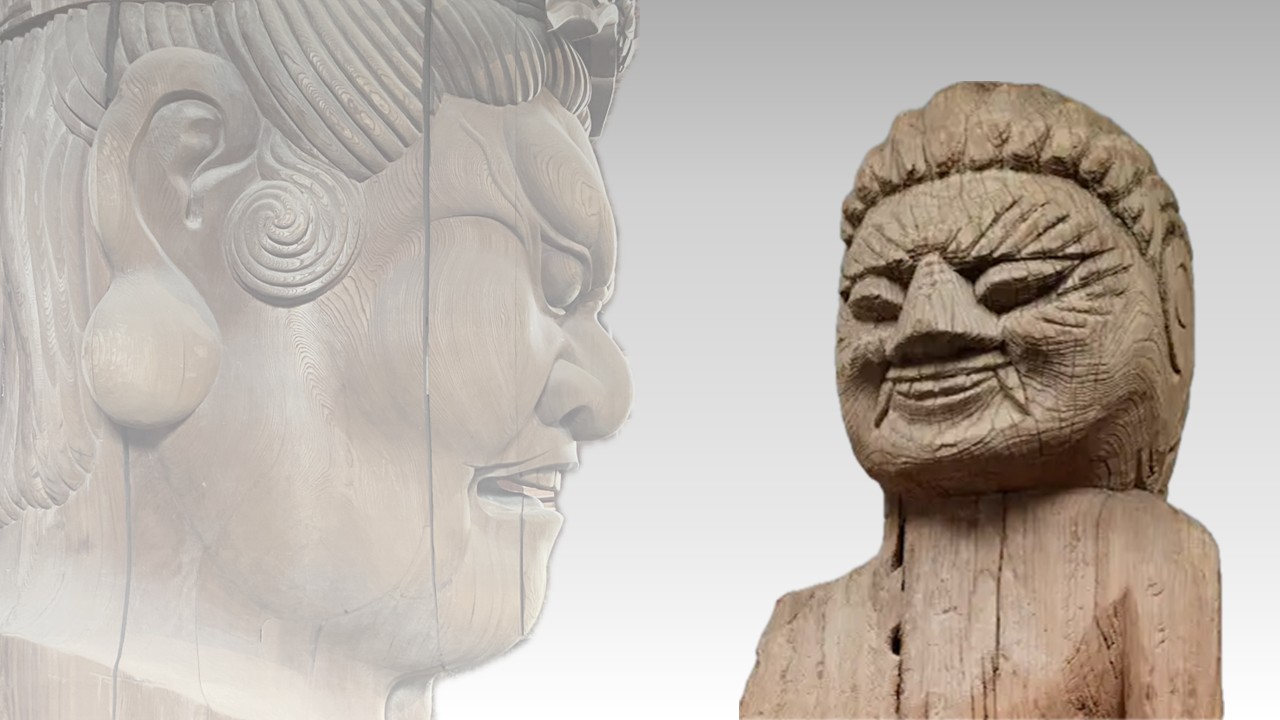
Following the Kamakura period, Buddhist sculpture production declined and greater emphasis was placed on painting. This does not mean the late medieval and early modern periods were without innovation, however. Itinerant preachers like Enku (1632-1695) wandered the Japanese countryside and left behind thousands of quickly carved icons. Monumental restoration projects, too, were undertaken at important temples that demanded the efforts of the most skilled image-makers at that time.
This is the fifth session of six monthly classroom-style lectures that trace the historical development of sculpture in Japan. These lively conversations explore Japanese sculptures from various time periods and mediums through in-depth explanations about how and why they were made. Participants will also encounter obscure topics related to sculpture-making in Japan.
| Date | Topic | RSVP Link |
| November 12, 2025 | Before and During the Asuka Period | --- |
| December 3 | Nara Period | --- |
| January 7, 2026 | Heian Period | --- |
| February 4 | Kamakura Period | --- |
| April 1 | From the Muromachi to Edo Periods | RSVP |
| May | Modern and Contemporary Sculpture | --- |
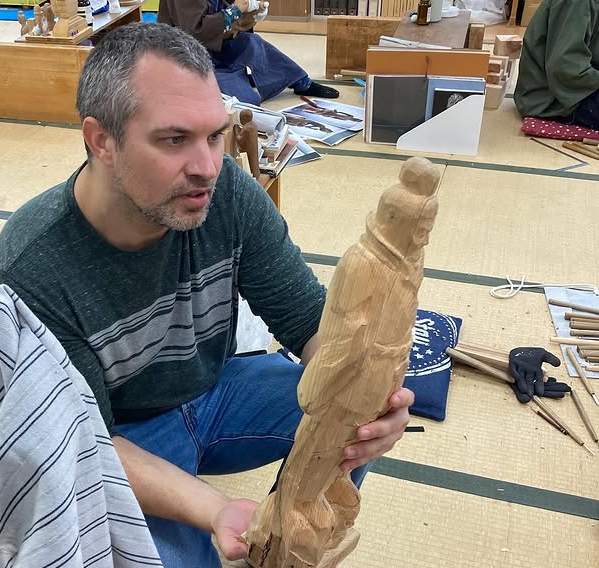
Michael VanHartingsveldt
A PhD candidate in Art History at the University of Kansas, Michael VanHartingsveldt is currently writing his dissertation about the Buddhist sculptor profession in medieval Japan. He has curated exhibitions, taught university courses, and presented public lectures about Japanese visual culture in California, Kansas, and Japan, and is now working as an Art and Culture Program Officer at the Japan Foundation, Los Angeles.
Related Programs
[Exhibition] Manifesting Icons: The Materials and Making of Buddhist Visual Culture in Asia
5700 Wilshire blvd, Suite 100
Los Angeles, CA 90036
jflainfo@jpf.go.jp
323.761.7510
 Date
Date Hours
Hours Venue
Venue Admission
 Inquiries